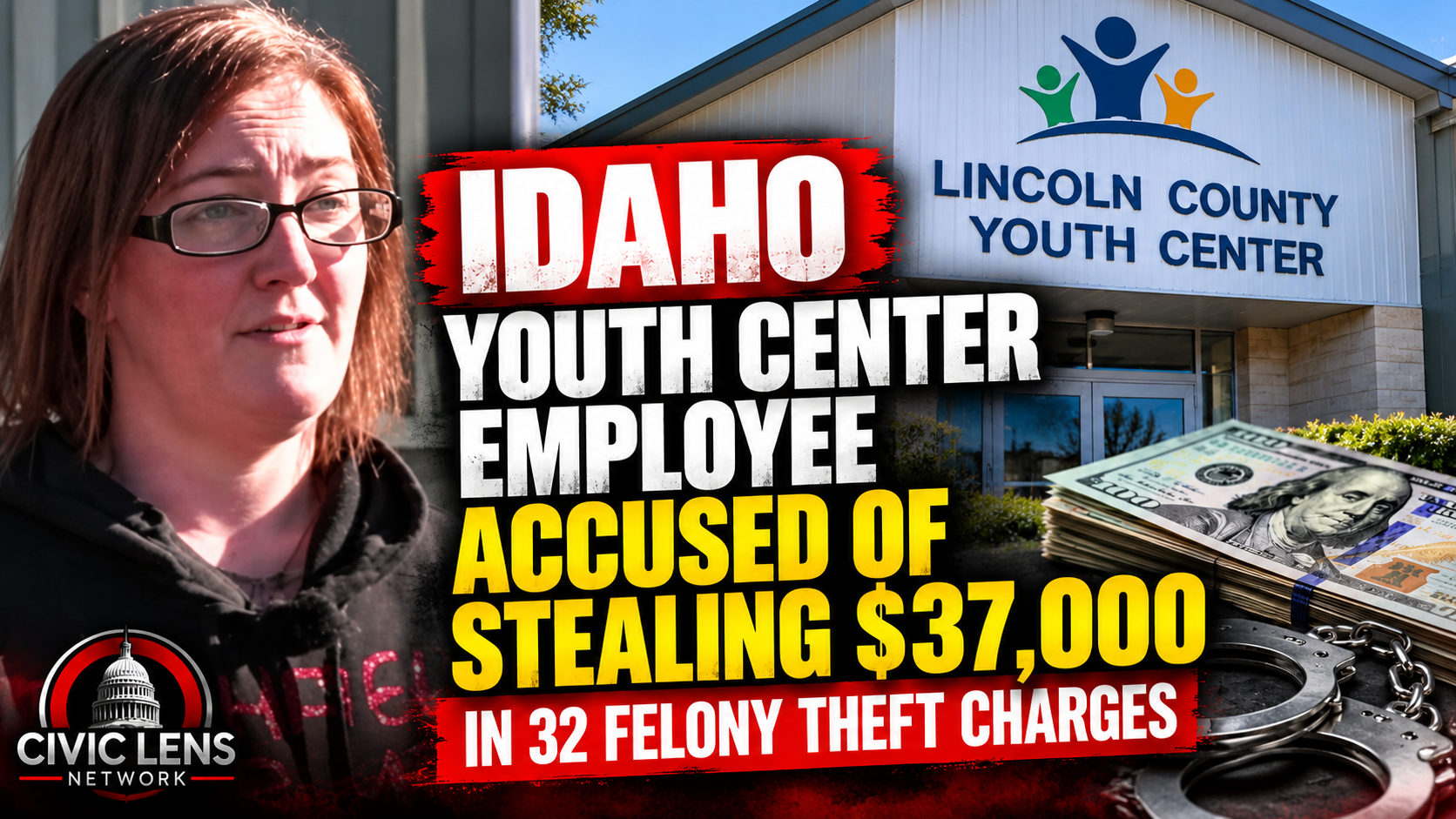
In rural Lincoln County, Idaho, working parents have long counted on the Lincoln County Youth Center for after-school programs and affordable child care that allow them to hold jobs outside the county. Families commute long hours to Twin Falls and beyond, and licensed options have been scarce. The center, founded by Lincoln County Commissioner Rebecca Wood, expanded into full-day care for young children with help from an Idaho Workforce Development Council grant and private donations. It keeps costs far below rates in larger cities.
Now that same organization is at the center of a criminal case. Heather Huffman, a former payroll clerk and site manager who worked at the center until August 2026, faces 32 felony grand theft charges. Charging documents allege she issued unauthorized checks to herself totaling more than $37,000 over approximately two years. Some of those checks, according to the documents, were written outside normal payroll payments.
The Allegations and Court Proceedings Wood reported the suspected thefts to the Lincoln County Sheriff’s Office in late September 2026. Huffman was arrested on October 9 and made her first court appearance on October 13, where a public defender was appointed. An investigative affidavit states that Huffman acknowledged nobody forced her to overpay herself. She reportedly told investigators she needed the money to keep a roof over her family’s head.
Each felony count carries a statutory maximum of 14 years in prison and a $5,000 fine. Those figures represent the legal ceilings under Idaho law, not a projected outcome. A preliminary hearing is scheduled for October 20, 2026. Huffman has not been convicted of any charge.
Court records and investigators’ statements form the basis of the allegations; the case remains in its early stages. Earlier Public Comments on Family Pressures Earlier in 2026, Huffman appeared in local news coverage about the center’s affordable child care expansion. In one segment, she described her own earlier experience commuting to Twin Falls for work before joining the youth center.
She said she was gone 10 to 12 hours a day, missing time with her children, and lacked the means to care for them the way she wanted because she had to work. The comments focused on the broader childcare challenges facing rural parents, not on any personal financial distress at the time of the interview. Investigators later documented her explanation that the alleged overpayments were driven by the need to house her family.
The timing and contrast have drawn attention as the case moves forward. Questions of Oversight The central investigative question is how unauthorized payments could continue for roughly two years without earlier detection. Public reporting and court documents available so far do not detail the center’s internal financial controls. Who held authority to approve checks and payroll disbursements remains unstated in available records.
It is not clear whether the center required two signatures on checks, conducted independent reviews of payroll, or regularly examined bank reconciliations and financial statements. What specifically first raised suspicions in September, beyond Wood’s report to the sheriff’s office, has not been publicly detailed. Whether any warning signs appeared earlier and were overlooked is also unknown. Authorities have not indicated whether investigators are examining additional transactions beyond the 32 alleged checks.
Potential Effects on Programs and Funding The Lincoln County Youth Center serves dozens of children through after-school programming funded largely by a federal 21st Century Community Learning Centers grant and through newer licensed child care supported by the Workforce Development Council grant and local donations. The center has previously faced funding uncertainty, including a 2025 period when federal grant release was delayed before state emergency funding stepped in.
No public financial records or statements from authorities establish that grant money was the specific source of the alleged unauthorized checks. The center’s operating funds include a mix of grant support and private contributions. Whether the alleged losses reduced services, affected staff pay, or strained family fees has not been disclosed. Rebecca Wood has declined to comment on the charges, citing the ongoing case.
No evidence in available reporting indicates that Wood or other county officials knowingly permitted the alleged conduct. The center’s website and prior coverage emphasize its role in filling a childcare gap that had left many parents unable to work full time. What Remains Unknown and What Comes Next Many practical questions about accountability remain open. Has the organization introduced new financial safeguards since the report?
Did the alleged losses affect program capacity or force any adjustments for families? Were nonprofit donations or taxpayer-supported grants exposed in any measurable way? Investigators have not publicly addressed these points. The preliminary hearing on October 20 will determine whether the case proceeds to trial.
Further court filings could clarify the timeline of the checks, the review process that led to the September report, and any restitution sought. For a small rural community that has invested heavily in the youth center as essential infrastructure for working families, the case raises lasting questions about trust and financial stewardship in organizations that serve children. Those answers will depend on evidence presented in court and any additional disclosures from the center or authorities.