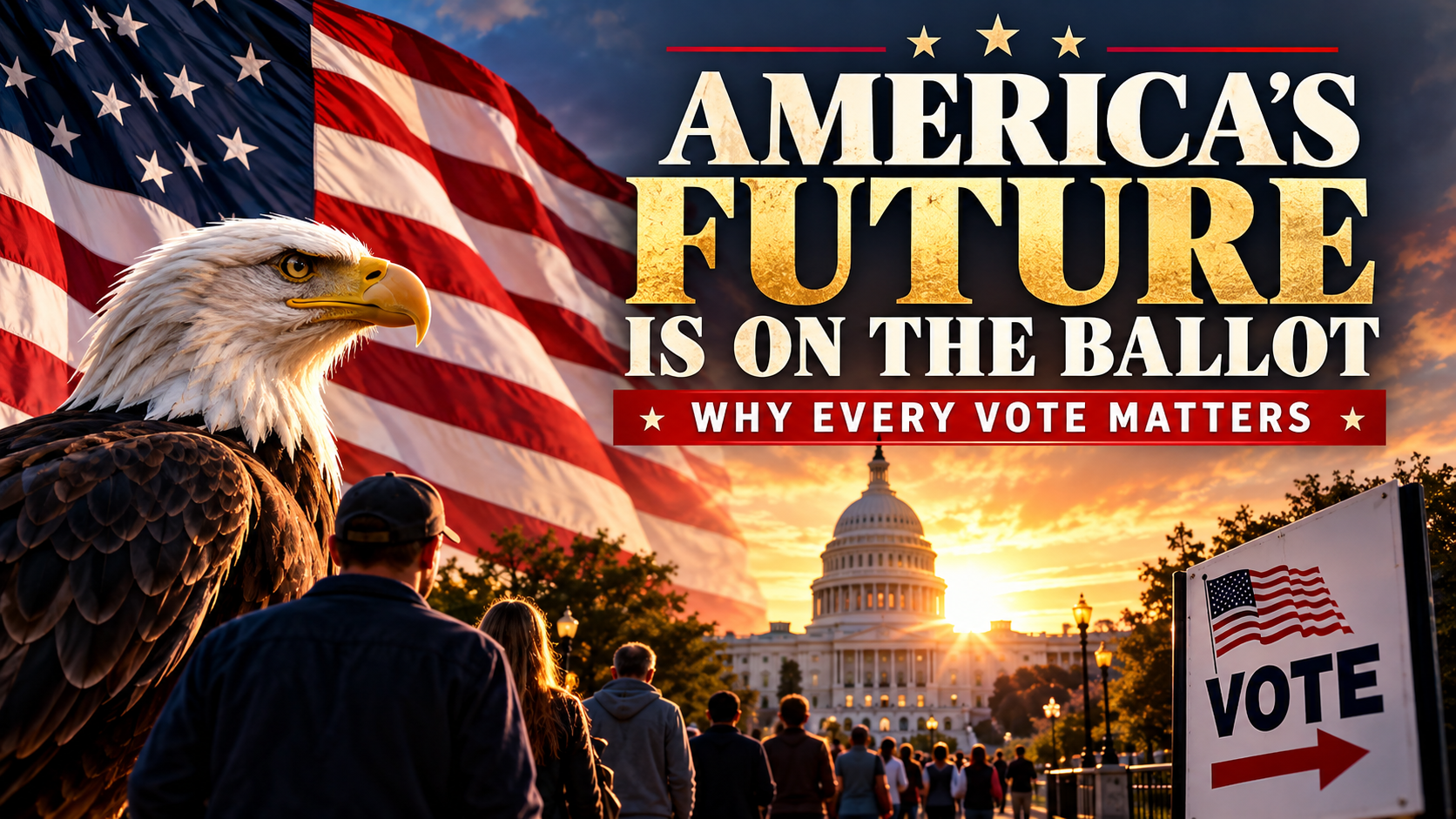
The November 3, 2026, midterm elections are approaching, and Americans face important decisions about the direction of their country. From the economy and immigration to constitutional freedoms and the role of government, the choices made at the ballot box will help shape national policy for years to come.
For voters who believe in limited government, individual liberty, fiscal responsibility, strong national defense, and traditional constitutional principles, this election offers an opportunity to examine whether candidates’ records match those priorities.
But political slogans are not enough. Promises made during a campaign should be measured against actions taken in office.
The Economy and the Cost of Living
For millions of American households, the cost of everyday life remains a central political concern.
Groceries, housing, utilities, insurance, and healthcare expenses all affect how far a paycheck stretches. Voters have good reason to demand specific answers about how candidates intend to address affordability.
Conservative economic arguments traditionally emphasize lower taxes, fewer unnecessary regulations, private investment, domestic energy production, and restraint in federal spending.
Supporters believe these policies can encourage business growth and economic opportunity. Critics question whether certain tax and regulatory changes distribute their benefits fairly or adequately address government revenue needs.
The important question for voters is whether the policies being proposed are realistic, affordable, and supported by evidence.
Border Security and Immigration Enforcement
Immigration remains one of the country’s most contentious political issues.
Conservative policymakers frequently emphasize border enforcement, immigration law compliance, and the responsibility of the federal government to maintain control over entry into the United States.
Others emphasize humanitarian obligations, legal immigration pathways, and protections for asylum seekers.
These concerns deserve serious debate rather than slogans.
Voters should examine what candidates actually propose, what enforcement measures are legally available, how those measures would be funded, and what consequences they could have for communities, employers, and families.
The Constitution Is Not a Campaign Slogan
Freedom of speech, religious liberty, the right to bear arms, due process, and limits on government authority remain central issues in American political life.
For constitutional conservatives, these principles are particularly important when evaluating candidates.
But defending the Constitution also requires consistency.
The protections of the First Amendment do not apply only to popular opinions. Due process cannot depend on political affiliation. Government accountability matters regardless of which party controls Washington.
Any candidate promising to defend constitutional rights should be prepared to explain how that commitment would guide actual legislation and executive decisions.
Parents, Education, and Local Control
Education has become another major source of disagreement.
Many conservatives favor greater parental involvement in schools, transparency over curriculum, school choice, and stronger local control of education policy.
Opponents of some school choice proposals raise concerns about funding for traditional public schools, equal access, and oversight.
Parents deserve clear information about the policies affecting their children’s education.
Candidates should explain how they intend to improve academic achievement, protect students, respect parental involvement, and ensure that public education dollars are spent responsibly.
Washington Must Answer to the People
Government accountability should never be a partisan issue.
Elected officials control enormous public resources and make decisions affecting millions of Americans.
They should be expected to explain how taxpayer money is spent, disclose potential conflicts of interest, and accept scrutiny of their decisions.
Fiscal conservatives have long argued that Washington needs stronger spending discipline and more transparent budgeting.
Those concerns raise questions worth asking of every candidate.
What programs would they expand or reduce? How would they address deficits? What spending priorities would they protect? And how would they measure whether government programs are actually working?
Accountability requires more than criticizing political opponents. It requires applying the same standards to political allies.
Public Safety and the Rule of Law
Americans deserve safe neighborhoods, functioning courts, effective law enforcement, and a justice system that respects constitutional protections.
Conservative approaches often emphasize enforcement of criminal laws, support for police, and meaningful consequences for violent offenders.
Other approaches emphasize prevention, rehabilitation, and addressing conditions associated with crime.
Voters should look beyond dramatic headlines and examine local crime statistics, proposed policies, and the records of officials responsible for public safety.
Effective government must protect communities while respecting the rights of the people it serves.
November 3 Is an Opportunity to Be Heard
The 2026 midterm elections will determine control of Congress and decide numerous state and local offices.
These elections matter because government decisions do not stop at Washington.
State legislatures, governors, county officials, judges, and local representatives can influence taxes, education, infrastructure, public safety, and many other aspects of everyday life.
Americans who value conservative principles have substantive questions to ask about the direction of government. So do Americans who hold different political views.
Every voter deserves the opportunity to evaluate those questions independently.
Read the candidates’ positions. Examine their voting records. Question campaign promises. Look for reliable evidence rather than accepting every viral claim or political advertisement.
Most importantly, understand what is on your ballot and how to participate.
The right to vote carries a responsibility to think critically about those seeking public office.
America’s future will be shaped not simply by what politicians say during election season, but by the decisions voters make and the accountability they demand afterward.
November 3 is the next opportunity for Americans to make those decisions heard.