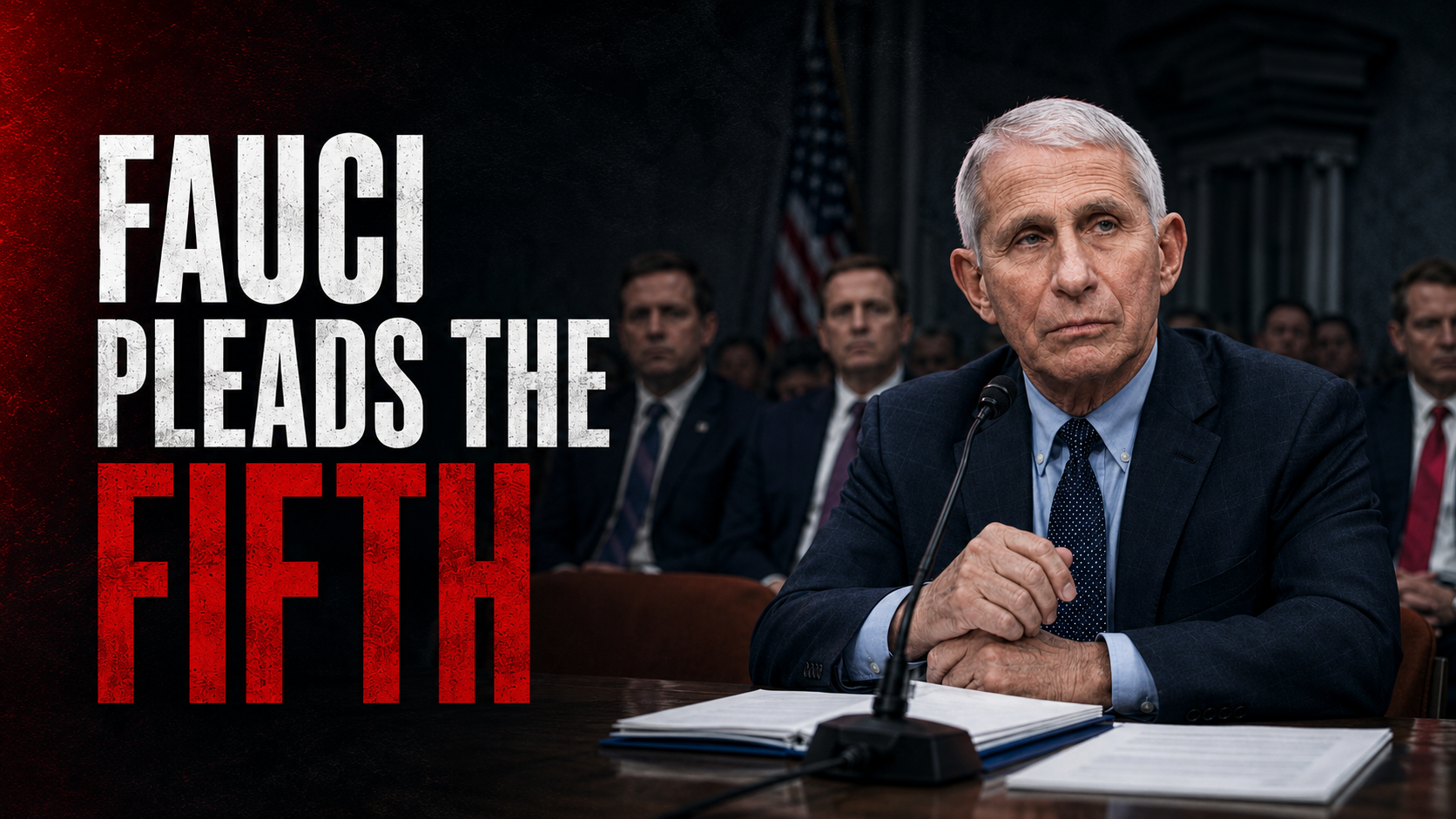
Dr. Anthony Fauci appeared before the Senate Homeland Security and Governmental Affairs Committee on July 29 2026 and invoked his Fifth Amendment right against self incrimination throughout the hearing. The committee is chaired by Senator Rand Paul of Kentucky who has long criticized Faucis role in the federal response to the COVID 19 pandemic and the origins of the virus. Fauci opened the session by explaining his decision.
He said that given Senator Pauls repeated public calls for his prosecution and the recent release of his personal diary he believed the hearing was designed to trap him into statements that could later be used against him. Fauci stated that any reasonable person following the matter would reach the same conclusion. Although it pained him because of his long record of cooperating with Congress he said that on the advice of counsel he would refuse to answer questions.
Throughout the nearly three hour session Fauci repeated a nearly identical statement more than one hundred times. On the advice of counsel I respectfully decline to answer based upon my rights under the Fifth Amendment to the Constitution. He declined to respond to questions about National Institutes of Health funding of research related to coronaviruses questions about the possibility of a laboratory origin for SARS CoV 2 and questions about entries in his own pandemic era diary.
Even simple inquiries such as the color of an object in front of him or the content of the Fifth Amendment itself drew the same refusal. Senator Paul and other Republican members argued that the refusal obstructed legitimate oversight. Paul announced that the committee would vote the following week on whether to hold Fauci in contempt of Congress. Democrats on the panel defended Faucis constitutional privilege and criticized the proceedings as politically motivated.
Fauci had received a broad preemptive pardon from former President Joe Biden covering actions related to his government service from 2014 through early 2025. Legal observers noted that the pardon does not necessarily protect against new perjury charges arising from sworn testimony. Fauci and his attorneys nevertheless maintained that the risk of a perjury trap justified the blanket invocation of the Fifth Amendment.
This marked the first time in more than two hundred fifty congressional appearances that Fauci had refused to answer questions on Fifth Amendment grounds. The hearing ended without any substantive testimony from the former director of the National Institute of Allergy and Infectious Diseases leaving the long running disputes over pandemic origins research funding and public health decision making unresolved in the public record.