A former California mayor who was entrusted with serving her community has admitted to stealing nearly $390,000 from a local church, draining its finances over more than six years and nearly forcing the congregation to close its doors.
Tamara Le Ann Wallace, 56, the former mayor of South Lake Tahoe, pleaded guilty Thursday, October 29, 2026, to one federal count of wire fraud in a case that has shaken the mountain community and raised serious questions about financial oversight, public trust, and accountability.
According to the U.S. Department of Justice, Wallace systematically diverted money from Lake Tahoe Community Presbyterian Church, where she worked as a part-time bookkeeper. The stolen funds went toward personal expenses, including rent and travel, while the church struggled to pay its bills.
The consequences were devastating. Federal prosecutors say the church was forced to reduce its programming, take out multiple loans, and accumulate late fees and interest on overdue payments. At one point, the financial damage threatened the church’s continued existence.
A Six-Year Scheme Hidden in Plain Sight
Wallace began working for the church in 2018. Her responsibilities included managing financial records, paying bills, monitoring the budget, and maintaining the organization’s digital accounting system.
Those responsibilities placed her in a position of considerable trust.
For much of her employment, Wallace was the only individual with access to the church’s digital accounting records. She also had access to its bank accounts, giving her the ability to move money and record transactions with limited independent oversight.
Federal court documents establish that between April 2019 and September 2025, Wallace exploited that access to divert approximately $390,000 for herself.
Investigators identified two primary methods used in the scheme.
First, Wallace issued reimbursement checks payable to herself, falsely claiming she was being repaid for church-related expenses she had personally covered. Those expenses had never actually been incurred.
Second, she transferred church money electronically into accounts she controlled without authorization.
To conceal the transactions, Wallace manipulated the church’s accounting records, making the unauthorized payments appear legitimate.
According to court records, approximately $360,000 was taken through reimbursement checks, while another $31,000 was diverted through unauthorized electronic transfers.
One transaction described in the charging documents involved a $7,500 check Wallace wrote to herself in September 2025. The memo line simply identified it as a reimbursement.
The money was not going toward maintaining the church, supporting its programs, or paying legitimate expenses. Prosecutors say Wallace used the stolen funds for personal living costs and travel.
A Church Pushed Toward Financial Collapse
The damage extended far beyond the missing money.
Churches frequently operate with limited financial resources, relying on donations and careful budgeting to maintain their facilities, support their congregations, and fund community activities.
Lake Tahoe Community Presbyterian Church was no exception.
As Wallace continued diverting funds, the organization faced mounting financial difficulties. Bills went unpaid, borrowing became necessary, and church programming was reduced.
Federal prosecutors stated that the scheme nearly forced the church to shut down entirely.
That detail makes this case particularly troubling.
The money Wallace stole belonged to an organization supported by people who trusted that their contributions would be used responsibly.
Instead, the church was left borrowing money to survive while its own bookkeeper was secretly transferring funds into personal accounts.
The congregation suffered not only financial losses but also the betrayal of someone trusted to protect its resources.
From City Hall to Federal Court
Wallace’s position as an elected public official added another dimension to the scandal.
While carrying out the embezzlement scheme, she also served in South Lake Tahoe’s municipal government, eventually becoming mayor.
The criminal case concerns money stolen from the church, not municipal funds. Nevertheless, the fact that an elected official admitted to years of financial deception has raised legitimate questions about judgment, integrity, and the responsibilities that accompany public office.
The scandal became public in October 2025 when Wallace acknowledged taking money from the church in a letter provided to local media.
She subsequently resigned from her position on the South Lake Tahoe City Council on October 13, 2025.
Her departure came as investigators examined the church’s financial records and the extent of the missing funds.
The Federal Bureau of Investigation and the El Dorado County District Attorney’s Office ultimately investigated the scheme, which resulted in a federal wire fraud prosecution.
Wallace initially entered a not guilty plea during an October 13, 2026, court appearance.
Just over two weeks later, she returned to federal court in Sacramento and formally admitted her guilt.
Wallace Admits Her Crime Before a Federal Judge
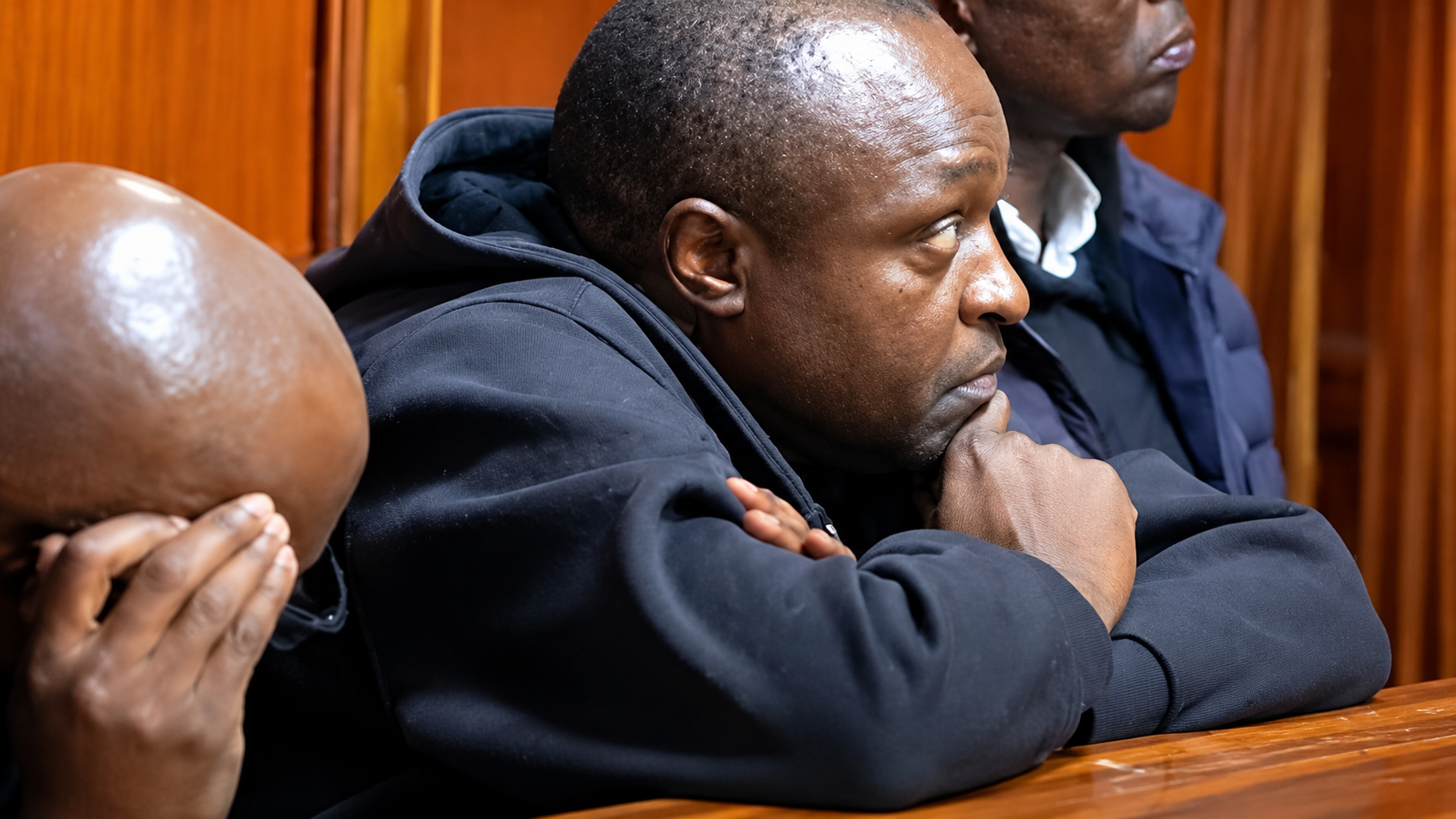
During Thursday’s hearing before U.S. District Judge Troy L. Nunley, Wallace confirmed that she intended to change her plea.
According to courtroom reporting by South Tahoe Now, the judge questioned Wallace about whether she understood the proceedings and whether she was acknowledging criminal responsibility.
When asked whether she was entering the plea because she was guilty, Wallace answered, “I am.”
She also stated, “I plead guilty.”
Her admission resolved the question of criminal guilt on the federal wire fraud charge and moved the case toward sentencing.
The former mayor now faces the possibility of a substantial federal prison sentence.
Under federal law, wire fraud carries a maximum statutory penalty of 20 years in prison and a $250,000 fine.
However, that maximum does not mean Wallace will receive a 20-year sentence.
The court will consider the federal sentencing guidelines, the circumstances of the offense, and other applicable factors before determining punishment.
Local courtroom reporting indicates prosecutors intend to recommend a sentence below the statutory maximum.
Wallace is scheduled to be sentenced on January 14, 2027.
She is also expected to face significant restitution obligations intended to compensate the church for its financial losses.
The Larger Failure of Financial Oversight
Beyond Wallace’s admitted criminal conduct, the case exposes an important weakness that can exist inside churches, charities, and other nonprofit organizations.
When one employee has extensive control over financial accounts, bookkeeping software, and transaction records, opportunities for misconduct can go undetected for years.
That appears to have been a central vulnerability in this case.
For most of Wallace’s employment, she was the only individual with access to the church’s digital accounting system.
The arrangement allowed her to create unauthorized transactions and manipulate records without the kind of independent review that might have exposed the theft earlier.
This does not diminish Wallace’s responsibility for her actions. She was entrusted with the church’s money and admitted abusing that trust.
But the case demonstrates why even small organizations need safeguards, including independent financial reviews, separation of bookkeeping duties, and routine verification of payments and reimbursements.
Trust is essential in a religious organization. Financial accountability is equally essential.
The two should never be treated as incompatible.
Public Trust Comes With Public Responsibility
There is another uncomfortable reality surrounding this case.
Wallace was not simply a private employee accused of mishandling funds. She was also an elected official who held one of the most visible positions in her community.
Public office requires citizens to place confidence in the honesty and judgment of their representatives.
When an elected leader admits to secretly taking hundreds of thousands of dollars from a church, that confidence suffers.
The fact that the theft occurred outside her official government duties does not erase the ethical significance of the conduct.
At the same time, investigators have not established that Wallace stole municipal funds, and the federal prosecution concerns her conduct as the church’s bookkeeper.
That distinction matters.
The documented wrongdoing is serious enough without suggesting additional crimes that have not been established.
A Congregation Left to Rebuild
For Lake Tahoe Community Presbyterian Church, the legal proceedings represent only one part of a much larger ordeal.
The organization has already endured years of financial losses, reduced programming, borrowing, and the burden of unpaid bills.
Recovering the stolen money may help repair some of the damage, but restitution cannot automatically reverse years of financial strain or restore lost opportunities.
The congregation must now continue rebuilding its finances and restoring confidence in the systems meant to safeguard its resources.
Wallace, meanwhile, awaits sentencing in a federal case that transformed a local political scandal into a criminal conviction.
The January hearing will determine how much time, if any, she spends in federal prison and what financial penalties the court imposes.
The larger lesson is unmistakable.
A position of trust is not a license to operate without accountability. Whether someone serves as a bookkeeper, a nonprofit administrator, or an elected official, access to other people’s money carries responsibilities that cannot be ignored.
For more than six years, Wallace used that access to enrich herself while a church struggled to survive.
Now, after admitting guilt in federal court, she must face the consequences.