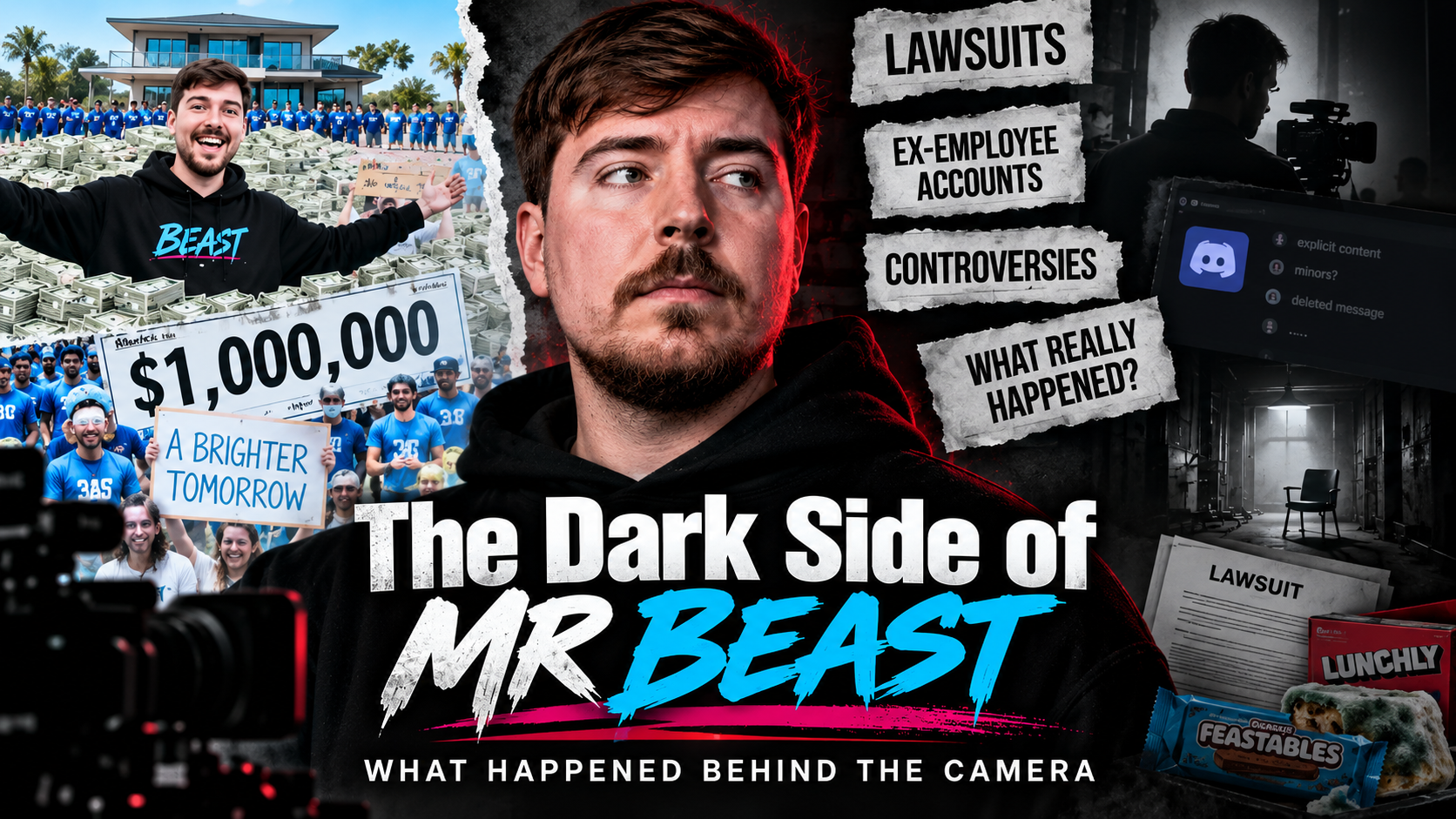
Mr Beast rose from a teenager filming videos in his bedroom to one of the most watched creators on the planet. His channel turned extreme challenges, enormous cash prizes and large scale charity campaigns into a formula that captured hundreds of millions of subscribers. Viewers watched him bury himself underground for days, give away entire houses, restore vision for strangers and plant millions of trees. The image that formed was of a restless young man who treated wealth as a tool for spectacle and generosity rather than personal luxury.
That image has been tested by a growing collection of old recordings, leaked conversations, former staff accounts and court filings. The material does not cancel the scale of the videos or the money given away. It does raise persistent questions about how the content was made, who was involved behind the camera and what standards applied when cameras were not rolling.
Early clips from podcasts and livestreams show a different tone. In one appearance Mr Beast discussed making videos chiefly to generate revenue and clicks. He spoke of viewers as a resource rather than a community. Another recording from the same period included remarks about a fourteen year old celebrity that mixed sexual language with an attempt at shock humor. He later described the moment as an effort to produce clip worthy controversy. Separate videos contained slurs that he has said came from the environment he grew up in and that he moved away from as his audience expanded. The comments circulated again years later when other stories gained attention.
Public records document two driving incidents. In 2018 officers stopped two vehicles traveling at one hundred twenty two miles per hour in a seventy mile per hour zone and described the event as a speed competition. Mr Beast was nineteen. He was charged with reckless driving and related counts and held on a high bond. A later citation in 2023 again involved speeds well above the posted limit. Both episodes received little attention at the time they occurred and resurfaced only when other controversies were already circulating.
In 2024 hundreds of thousands of messages from Discord servers associated with longtime collaborator Ava Kris Tyson became public. Tyson, previously known as Chris Tyson, had appeared in many of the most popular videos. The logs covered several years and included channels that minors could enter. Messages discussed setting up bots that posted explicit images, arguments over whether those channels should remain open, and jokes about the age of people present.
One participant later said a majority of users in certain rooms were likely underage. Tyson’s replies included the remark that the internet already contained such material and a question about whether the server owner was expected to act as a parent. Mr Beast’s own account appeared in some of the older conversations making crude jokes. Tyson was removed from the company.
An independent review commissioned afterward stated that claims of sexual misconduct involving minors lacked foundation and that people identified as alleged victims rejected the characterizations.
A former staff member stated that the company employed a man referred to internally as Delaware who appeared on a sex offender registry. The account held that Mr Beast and his mother were told the history before the hire. The man worked mainly off camera and wore a mask on the few occasions he appeared on screen. The same review that examined the Discord material found no support for the claim that the company knowingly kept people with such records on staff.
Jake Weddle, who had written for the channel, described an unreleased challenge that followed his departure. He spent multiple days in a brightly lit room with no clock, constant illumination and limited human contact. He said the conditions produced rapid psychological decline. After the isolation period he was asked to run a marathon on a treadmill without prior training. He finished with blistered feet and joint pain. Payment, according to his account, did not match the original terms once the challenge ended early because of his condition. Other former crew members have spoken of long hours, last minute changes and a workplace atmosphere that treated people as expendable once a video wrapped.
The production of Beast Games, the Prime Video series that placed one thousand contestants in physical and endurance challenges for a multimillion dollar prize, generated the largest volume of complaints. Participants later described two light meals a day, difficulty obtaining prescribed medication including insulin, delayed or insufficient medical attention after injuries, and confiscation of phones. Some left the arena on stretchers. Women reported being mocked when they requested basic supplies.
Crew members spoke of sixteen hour shifts, unpaid periods and filming that continued through flooding. A class action lawsuit filed in 2024 alleged sexual harassment, unsafe conditions, unpaid wages and paperwork designed to secure tax credits. Production representatives pointed to a major software outage, extreme weather and other logistical failures. Additional contestants joined the suit.
A separate 2026 filing by a former social media executive alleged a broader pattern of demeaning comments toward women, exclusion from meetings, and termination shortly after she returned from maternity leave. She described being required to work while still recovering and traveling for an event weeks after giving birth. The company called the complaint opportunistic and factually false.
Giveaway streams also drew legal scrutiny. Some livestreams offered prizes to people who purchased signed merchandise. Critics noted the absence of a clear no purchase necessary option and said rules shifted during the broadcasts. Because the audience included many children, the structure was described as an illegal lottery. The company later offered refunds in certain cases and said it was reviewing old footage.
Product lines faced their own problems. Feastables chocolate originally advertised a short ingredient list and sourcing free of child labor. Later versions increased sugar content and the website dropped some of the earlier claims. The company now highlights Fairtrade certification and higher payments to farmers. Lunchly, a packaged meal kit created with two other creators, arrived with videos showing mold in the cheese well before the printed expiration date. The company stated that products leave the factory clean and that any mold results from later handling or storage. MrBeast Burger locations produced widespread complaints of undercooked or inedible food and generated lawsuits over quality and unpaid royalties.
Cryptocurrency investments made around the same period as major charity drives prompted questions about personal profit timing. Team Water fundraising events included public pressure on other streamers to donate on camera. Early questions about documentation of how the money was spent were later addressed with updates claiming the effort reached hundreds of thousands of people.
Mr Beast and his companies have consistently denied the most serious characterizations. They point to the volume of money given away, the trees planted, the surgeries funded and the jobs created. They note that investigations found no criminal conduct with minors and that many accusations originated with people who left under strained circumstances. Supporters argue that the same drive that produced the videos also produced the controversies and that the net effect remains positive. Critics see a consistent pattern in which scale and speed took priority over the welfare of employees, contestants and a young audience.
The public record now contains both the videos that made Mr Beast famous and the accumulating accounts of how those videos were produced. The contrast between the two continues to shape how a generation that grew up watching the channel understands the difference between what appears on screen and what happens when the cameras stop.