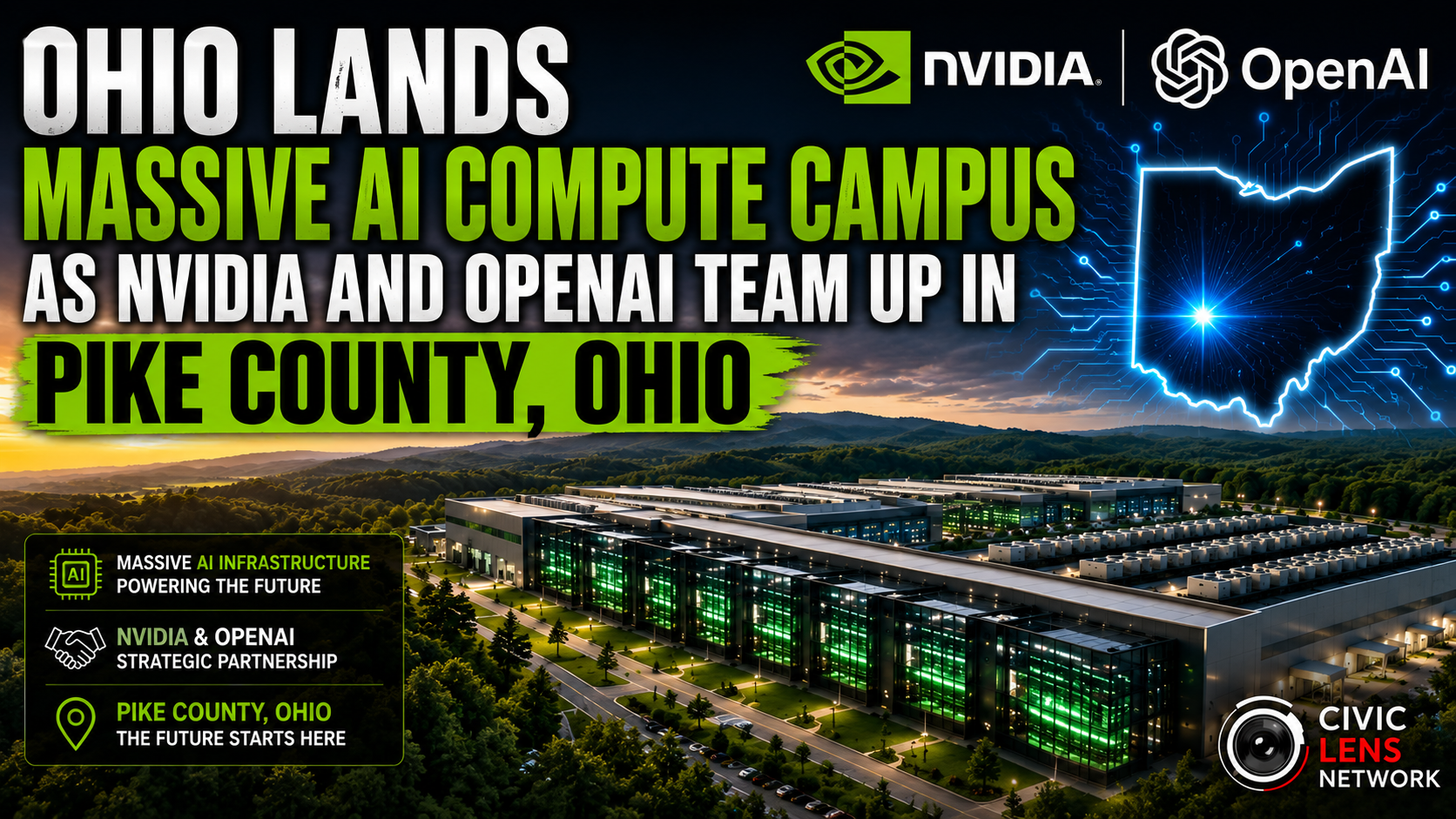
Most people never think about it. Typing a question into a chatbot, generating an image, or getting a personalized recommendation feels effortless, like pure information moving through thin air. Yet every response depends on physical machines that consume water, draw heavy amounts of electricity, fight for limited specialized chips, and push the construction of massive new facilities. The ease of artificial intelligence comes with a real and growing resource price that stays out of sight for most users.
Water is one of the least discussed demands. The servers that train and run AI models produce intense heat, and cooling them often means evaporative systems that pull large volumes of freshwater. In 2025 the electricity powering global data centers carried a water footprint of about 4.5 trillion liters. That amount could fill roughly 1.8 million Olympic sized pools or supply the basic daily needs of more than 600 million people in Sub-Saharan Africa for a full year.
A single large data center can use millions of gallons in a day, equal to the consumption of a town with tens of thousands of residents. Training earlier large models already required hundreds of thousands of liters just for on site cooling. Much of the total impact is indirect, coming from the water needed to generate the electricity itself at power plants. Many new facilities are being built in regions already under high water stress, including parts of the American Southwest.
Local residents sometimes face restrictions while nearby centers continue operating at full capacity. Projections show this demand climbing further through the rest of the decade. Electricity use follows a similar pattern of rapid growth. Global data centers used an estimated 448 terawatt hours in 2025.
If that consumption belonged to a single country it would have ranked near the top ten worldwide. AI workloads made up about one fifth of the total that year and are expected to reach closer to two fifths by 2030. Overall data center electricity demand is on track to roughly double to around 945 terawatt hours by the end of the decade, approaching three percent of global electricity use and matching the annual consumption of a major industrialized nation.
One large AI focused facility can draw as much power as tens of thousands of households. The surge is forcing utilities to expand generation capacity, sometimes keeping older plants running longer or adding natural gas units, with the emissions and health costs that come with them. Individual queries have become more efficient, yet the sheer volume of use and the shift toward heavier applications keep total demand rising. Specialized chips create another pressure point.
High performance graphics processing units and related accelerators are essential for training and running modern AI systems. Demand from the largest technology companies has consistently outpaced supply. In 2026 the constraints centered on advanced packaging, high bandwidth memory, and overall manufacturing capacity. Lead times lengthened, rental rates for existing high end cards increased, and the newest generations commanded premium prices.
Memory producers shifted capacity toward the components AI needs most, which tightened supply for consumer graphics cards and other uses as well. The result is higher costs across the board, delayed projects for smaller organizations, and an advantage for the biggest players who can lock in multi year supply deals. All of these factors drive aggressive expansion of data centers. Companies are investing hundreds of billions of dollars in new campuses.
Facilities covering areas equal to multiple football fields are appearing in concentrated clusters, especially in the United States, which holds a large share of global capacity. The land required for the electricity these centers demand already covered thousands of square kilometers in 2025 and is projected to more than double by 2030. Local power grids come under strain, and some regions have paused new connections. Nearby communities deal with higher electricity rates, constant noise from cooling equipment, and competition for limited water and infrastructure.
The construction process itself adds further demands for materials, chips, and supply chain resources. The costs fall unevenly. The benefits of AI tools, scientific progress, and everyday convenience spread widely, while the heaviest local burdens land on particular watersheds, power systems, and neighborhoods. Company disclosures on water and energy use vary widely in detail.
Practical options exist to reduce the impact, including better cooling methods that use less water, careful choice of locations with cooler climates or cleaner power, higher utilization of existing servers, and limits on unnecessary computation. Cleaner electricity grids and efficiency gains can lower both emissions and water use substantially, though some residual effects will remain without broader changes. This is not an argument against artificial intelligence. It is a recognition that digital systems depend on physical resources.
Every query, every model update, and every new capability draws on finite water, power, chips, and land. As use continues to grow, facing these costs directly becomes necessary if the technology is to expand without creating unsustainable pressure on the communities and environments that support it. Most people still overlook the reality. That is beginning to change.