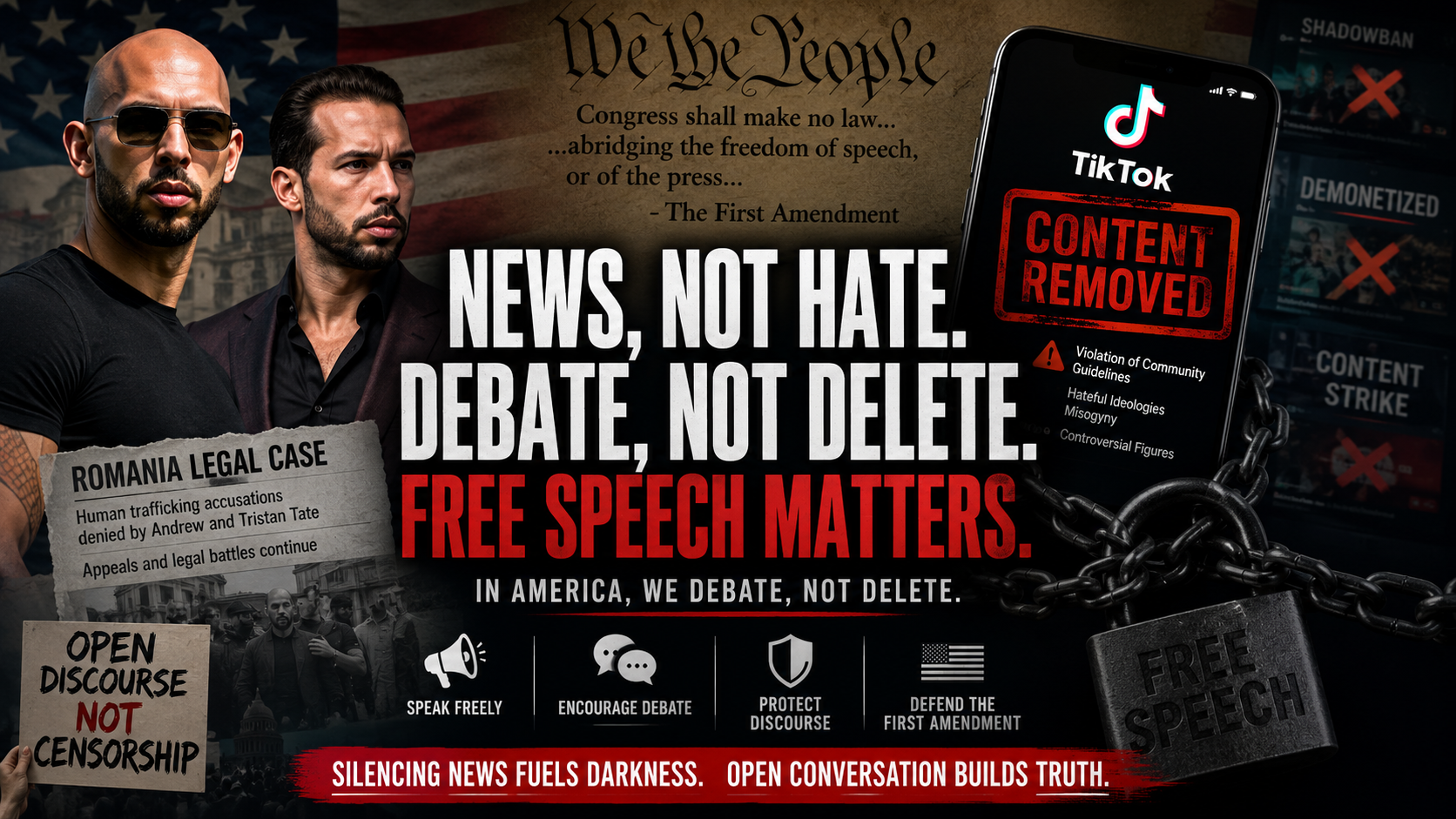
In an era where information flows freely across digital borders, posting straightforward news or commentary about Andrew and Tristan Tate on TikTok often results in swift community guideline strikes or content removals. Users sharing clips, updates on their legal battles in Romania, or even neutral discussions of their influence report shadowbans, demonetization, or account penalties. This selective enforcement raises serious questions about platform bias and the erosion of open discourse, especially in a nation founded on First Amendment principles.
The Tate brothers, once viral sensations with billions of views on TikTok, were permanently banned from major platforms including TikTok in 2022 for alleged violations related to misogynistic content. Yet even years later, merely reporting on their ongoing cases (human trafficking accusations they deny, or their appeals and public statements) triggers automated flags. TikTok’s guidelines explicitly prohibit “hateful ideologies” like misogyny and content tied to controversial figures, extending to reuploads, fan edits, or news summaries.
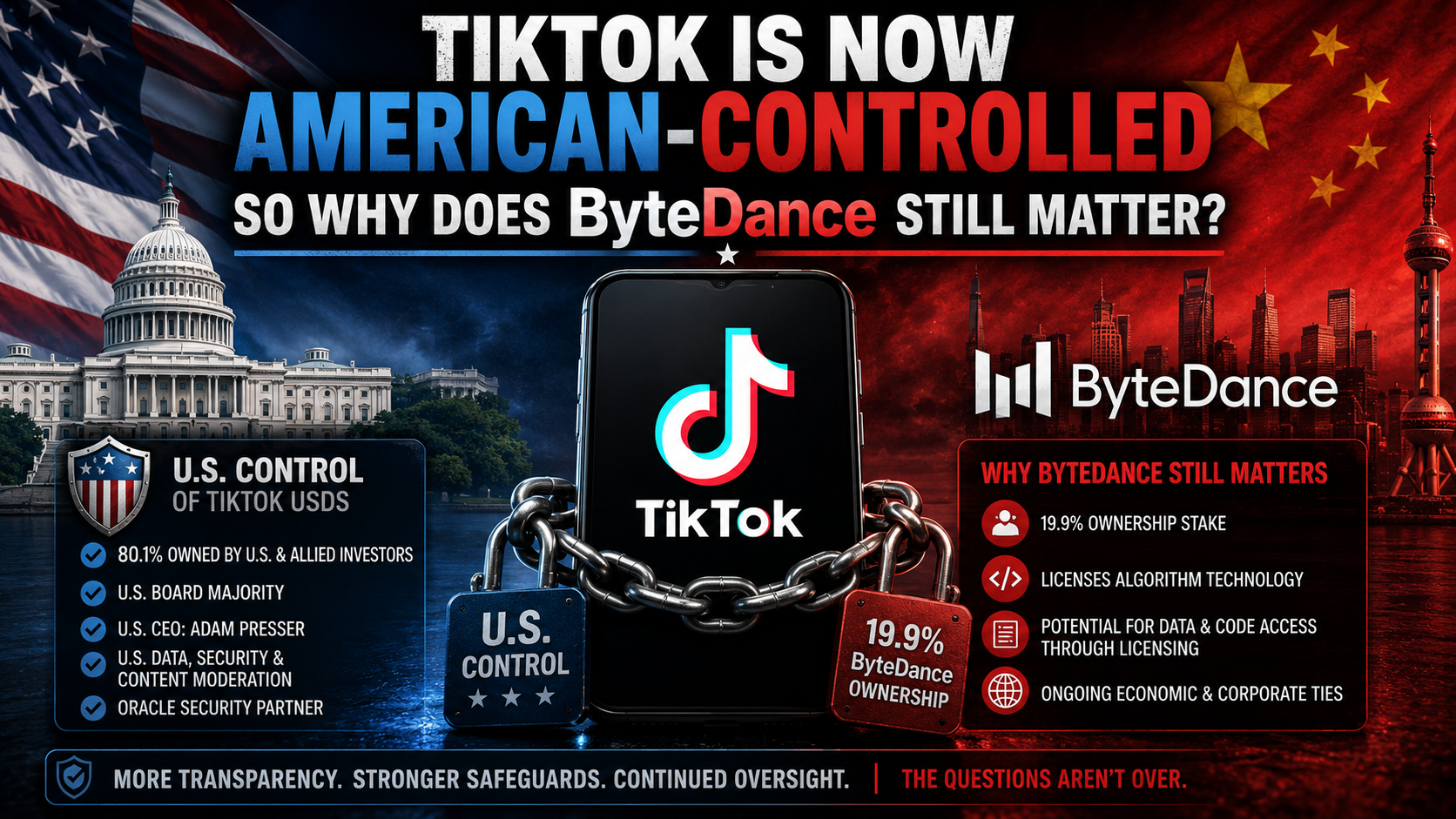
Users attempting balanced coverage find their videos suppressed, while other polarizing topics flourish unchecked. This shouldn’t happen. America champions free speech as a cornerstone of democracy. The First Amendment protects citizens from government censorship, but private platforms like TikTok, owned by China’s ByteDance, operate with immense power over public conversation.
While companies can set house rules, heavy handed moderation that chills factual reporting mimics authoritarian control rather than fostering healthy debate. Supporters argue Tate’s messaging resonates with millions seeking unfiltered masculinity and success advice amid cultural shifts. Silencing discussion doesn’t debunk ideas; it fuels underground resentment and conspiracy narratives. Critics of the Tates highlight genuine concerns over harmful rhetoric influencing young men.
However, the remedy isn’t algorithmic suppression but counterspeech, parental guidance, and transparent moderation. TikTok’s approach appears inconsistent: it aggressively polices certain viewpoints while algorithms once amplified Tate to billions of views before the ban. True free speech tolerates discomfort. In America, we debate, not delete.
Platforms wielding global influence should prioritize openness over curated narratives, or risk losing trust. Users deserve the right to share news without fear of digital exile. Until TikTok aligns with American values of expression, its strikes on Tate related content exemplify the very censorship many fled other regimes to escape.