Venmo makes it simple to send and receive money between friends and family. Most personal transfers from a balance, bank account, or debit card cost nothing for either side. The recipient gets the full amount. That changes when a payment gets marked for goods and services or lands on a business profile.
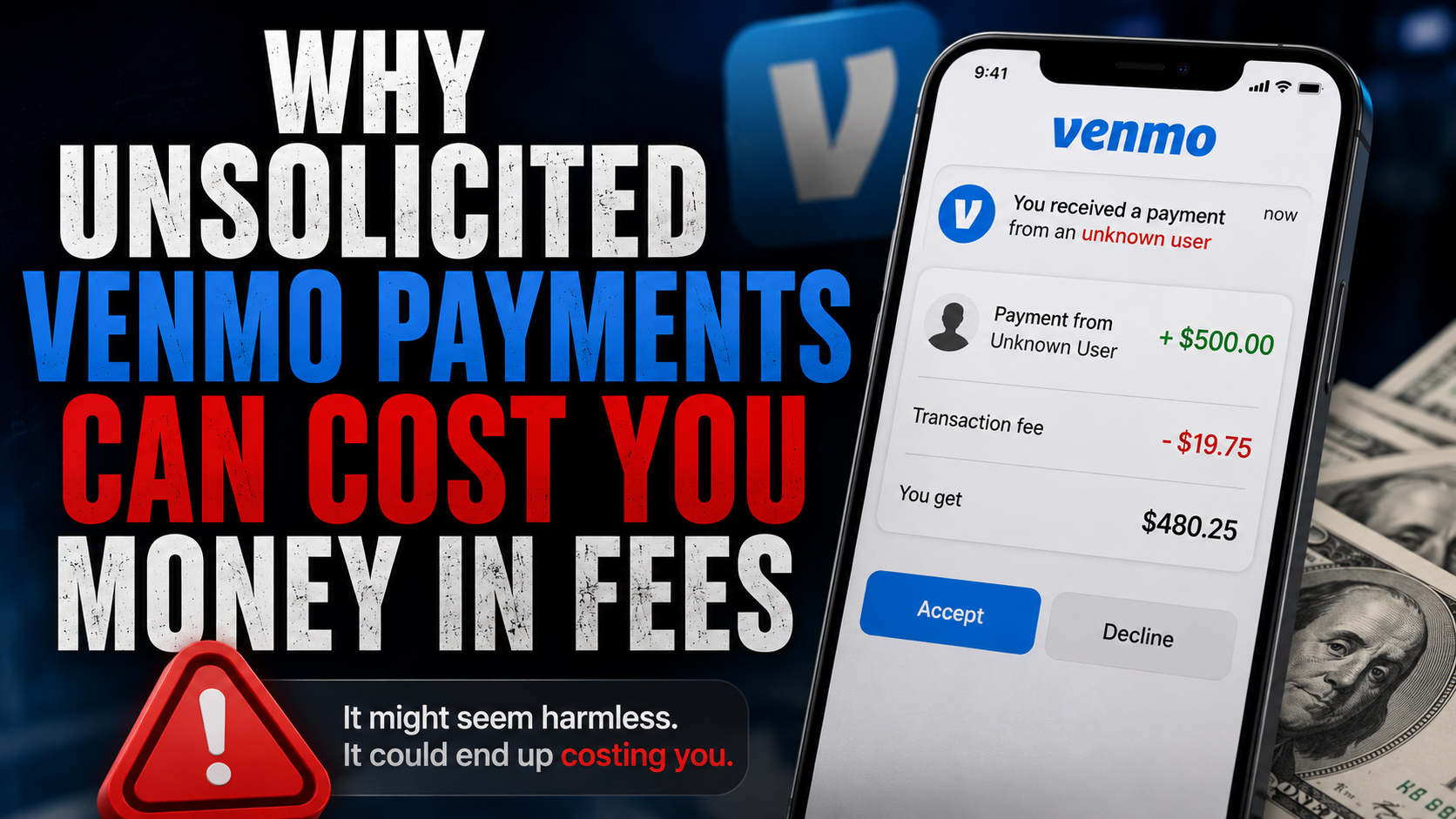
In those cases Venmo takes a cut from the person who receives the money. The problem grows when the payment arrives unsolicited from a stranger. Senders control how a payment is labeled. They can choose the goods and services option that activates purchase protection.
When they do, Venmo deducts a fee from the total before it reaches the recipient. On a personal profile that fee runs about 2.99 percent. On a business profile it is usually 1.9 percent plus ten cents. A $100 payment tagged this way leaves the recipient with roughly $97.
The sender pays nothing extra for the tag itself. The cost falls entirely on the person who ends up with the funds. Unsolicited payments create a special risk. Someone you do not know can find your username or contact information and send money.
Sometimes it is an honest mistake. More often it is part of a scam. The stranger may claim the transfer was accidental and ask you to return the money as a new payment. Venmo tells users never to do that.
Instead contact support so the company can reverse the original transfer cleanly. Moving the money yourself or sending a separate payment back leaves you exposed. The fee problem surfaces if the original payment was tagged for goods and services or treated as a business transaction. Venmo takes its cut at the moment the money arrives.
Later the sender or their bank may dispute the charge. When Venmo reverses the full original amount the fee stays deducted. The recipient can end up with a negative balance equal to the fee amount. One recent case involved a $1,200 payment that arrived without warning.
After the dispute the full sum was pulled back while the processing fee remained, leaving the person who never asked for the money owing more than $30. This outcome is possible because the fee is deducted before the funds settle in the account. Reversals restore the principal but do not automatically refund the platform charge. Venmo’s own materials note that seller fees on business profiles and purchase tagged payments are generally not refundable.
Support can sometimes help when a payment was clearly tagged by mistake, yet the process is not automatic and success is not guaranteed. Everyday users face this issue more often than they realize. Public privacy settings make usernames and recent activity visible. A similar name or an old contact can draw an unintended transfer.
Celebrities and high profile accounts attract more of these messages, but ordinary people see them too. Scammers exploit the system by funding transfers with stolen cards. When the real cardholder files a claim the money disappears. Anyone who tried to be helpful by sending funds back loses twice.
Prevention starts with privacy settings. Switch transactions and the friends list to private or friends only. Avoid accepting or moving money from people you cannot verify outside the app. If an unexpected payment appears leave it untouched and open a chat with Venmo support right away.
Blocking the sender stops further attempts. For anyone who sells items regularly the business profile is the proper tool, though it carries its own stated fees on every qualifying receipt. Venmo remains free for ordinary personal use when both parties treat the transfer as friends and family. The moment a sender selects goods and services or routes the money to a business profile the fee structure activates.
Unsolicited payments remove the recipient’s ability to control that choice. The result can be a quiet deduction followed by a full reversal that leaves the account short. Understanding the difference between free personal transfers and fee bearing commercial ones protects the balance. When money arrives from an unknown source the safest move is always to involve Venmo support rather than handle the return yourself.