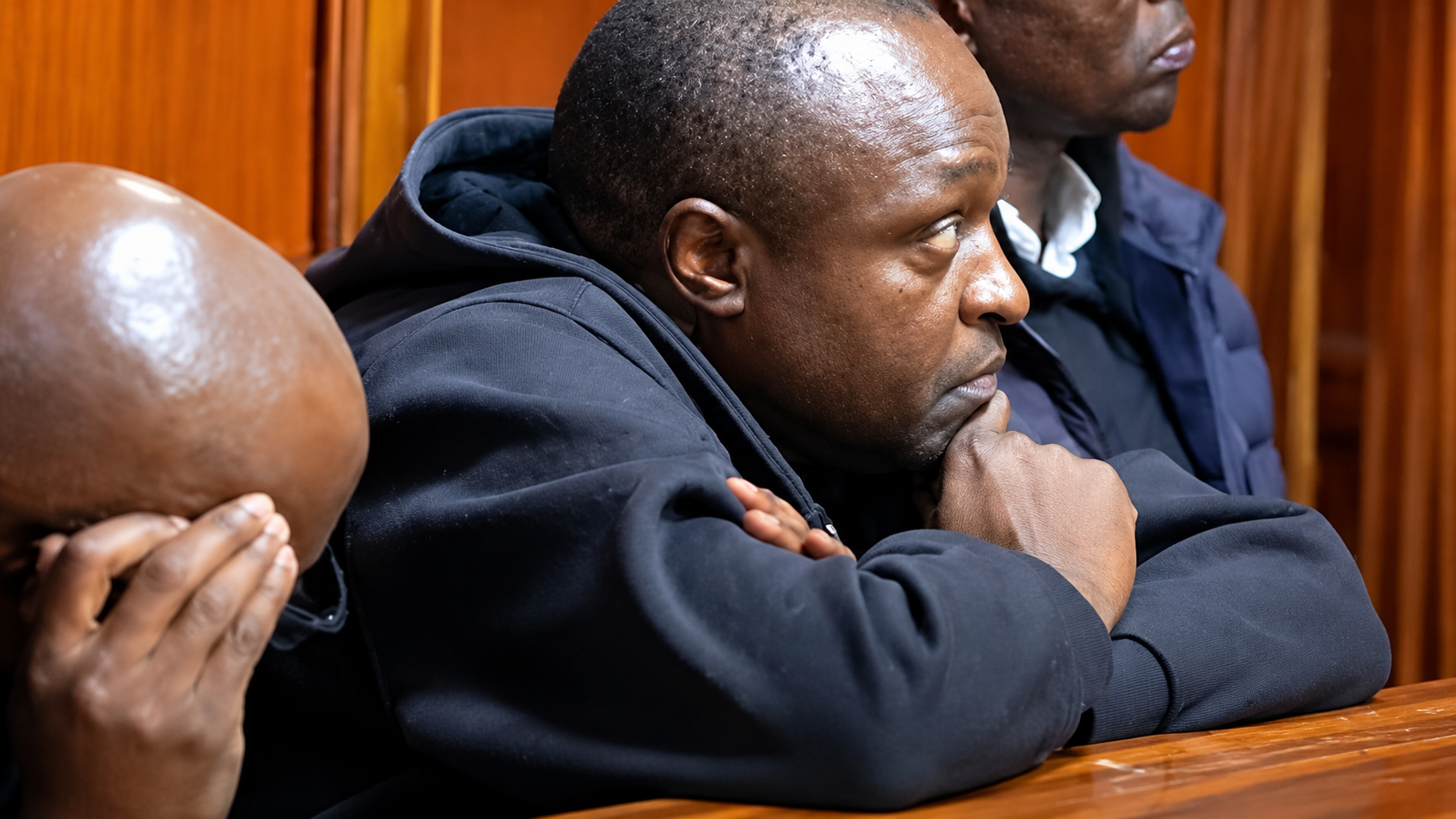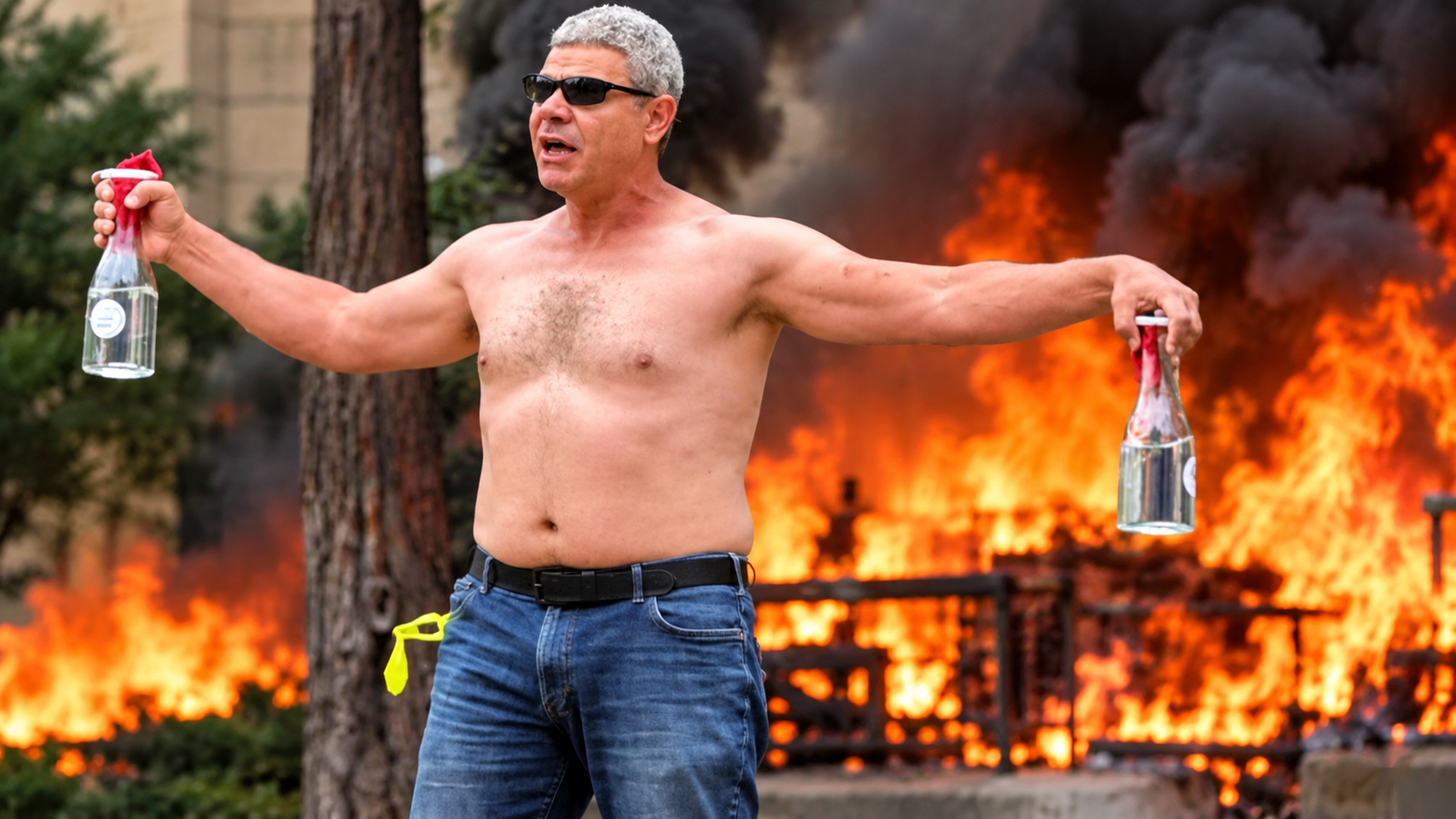
A man who launched a brutal firebomb attack against peaceful demonstrators supporting Israeli hostages has pleaded guilty to federal hate crimes, admitting that he deliberately targeted people because he believed they were Jewish or Israeli.
Mohamed Sabry Soliman, a 47-year-old Egyptian national, entered his guilty plea in federal court in Denver on October 29, 2026, bringing another major chapter of the deadly Boulder, Colorado, attack closer to its conclusion.
The attack, carried out on June 1, 2025, left 82-year-old Karen Sorin Diamond dead and several other victims with devastating injuries. Some suffered severe burns requiring weeks of hospitalization.
Soliman pleaded guilty to nine federal hate crime counts and three explosives charges. Prosecutors are seeking a federal sentence of life imprisonment plus an additional 50 years.
He is already serving life in prison without the possibility of parole, along with more than 2,000 additional years, following his guilty plea to more than 100 state charges earlier this year.
A Peaceful Gathering Turned Into a Scene of Terror
The victims were participating in a gathering organized by Run for Their Lives, an international movement that held regular demonstrations calling attention to Israeli hostages taken during the October 7, 2023, Hamas terrorist attacks.
Participants gathered near the historic Boulder County Courthouse on Pearl Street Mall, a popular pedestrian shopping district.
They were exercising their right to peacefully assemble and express support for the release of hostages.
Soliman arrived prepared to turn that gathering into a deadly attack.
According to the federal plea agreement, he had assembled more than a dozen homemade incendiary devices, including glass containers filled with gasoline and fitted with cloth wicks. He also brought a backpack sprayer containing gasoline.
Investigators determined that he had spent considerable time preparing for the attack.
As the demonstrators gathered, Soliman ignited and threw two Molotov cocktails toward the crowd while shouting “Free Palestine.”
The resulting flames engulfed victims and caused panic among those nearby.
Federal prosecutors said Soliman admitted that his objective was to kill as many people as possible.
This was not an impulsive confrontation that unexpectedly turned violent. It was a planned attack against people selected because of their perceived religion and national origin.
An 82-Year-Old Woman Lost Her Life
Among the victims was Karen Sorin Diamond, an 82-year-old woman who had joined the demonstration.
Diamond suffered catastrophic burns across her body.
For more than three weeks, she endured painful medical treatment as doctors attempted to save her life.
She eventually died from her injuries.
Her death transformed an already horrific attack into a murder case.
Other victims suffered serious burns, including Diamond’s husband. Several required lengthy hospital treatment, while others were left with lasting physical and emotional trauma.
These were ordinary people participating in a public demonstration. They were not combatants, armed militants, or participants in any military conflict.
They were civilians standing in an American city, exercising freedoms guaranteed by the Constitution.
Their political opinions and religious identities made them targets of a man who had decided that violence was an acceptable response to disagreement.
The Attacker Admitted His Antisemitic Motivation
Federal prosecutors established that Soliman selected his victims because of their actual or perceived Jewish religion and Israeli national origin.
His guilty plea removed any serious question about the motive behind the attack.
Soliman admitted that he intentionally targeted the gathering for those reasons.
Authorities also revealed that he had searched online for a Zionist event in Colorado before carrying out the attack.
The distinction matters.
Criticizing Israel, supporting Palestinians, or opposing the policies of a foreign government are protected forms of political expression in the United States.
Attempting to burn civilians alive because they are Jewish, Israeli, or perceived to support Israel is something entirely different.
It is criminal violence motivated by hatred.
The Boulder attack demonstrates what happens when ideological extremism moves beyond rhetoric and becomes an attempt to murder innocent people.
Immigration Questions Surround the Case
Soliman’s immigration history also became a subject of national attention following his arrest.
Authorities identified him as an Egyptian national who had remained in the United States after his authorized immigration status expired.
That revelation raised questions about immigration enforcement, visa overstays, and whether existing government systems adequately identify individuals who remain in the country without authorization.
His immigration status did not establish that authorities had advance knowledge of his violent intentions.
Nevertheless, the case presents legitimate questions about how visa compliance is monitored and what mechanisms exist to identify potential security threats.
Those questions deserve serious examination, particularly when an individual living unlawfully in the United States carries out a deadly, premeditated attack.
Accountability requires examining both the criminal who committed the violence and whether any preventable institutional failures contributed to the circumstances surrounding it.
Prosecutors Seek Another Life Sentence
Soliman’s latest guilty plea covers nine federal hate crime offenses and three explosives charges.
One of the hate crime counts concerns the death of Karen Diamond, while others address attempts to kill and injure additional victims.
Federal prosecutors and defense attorneys have jointly recommended a sentence of life imprisonment plus 50 years.
The proposed punishment would be in addition to the sentence already imposed in Colorado state court.
Federal authorities previously considered the possibility of pursuing capital punishment but ultimately chose not to seek the death penalty.
U.S. Attorney for the District of Colorado Peter McNeilly described the negotiated resolution as driven by the wishes of the victims.
The agreement avoids the uncertainty and potential delays of a capital prosecution while ensuring that Soliman faces another extraordinarily severe sentence.
However, the recommended federal sentence is not yet final.
Senior U.S. District Judge John L. Kane will determine the punishment at a sentencing hearing scheduled for January 7, 2027.
A Warning About Violent Extremism
The Boulder firebombing stands as a disturbing example of how hatred can turn a peaceful public gathering into a deadly crime scene.
A demonstration intended to draw attention to people held hostage overseas became the target of violence on American soil.
An elderly woman lost her life. Other victims suffered permanent injuries. Families were forced to confront the consequences of an attack they could never have anticipated.
The political conflict surrounding Israel and Gaza has generated intense disagreements throughout the United States.
Those disagreements cannot justify targeting civilians.
Americans have the right to demonstrate, express controversial opinions, practice their religion, and advocate for causes without fearing that someone will attempt to murder them.
That principle applies regardless of political affiliation, religion, or national origin.
Soliman’s own admissions establish that this attack was motivated by hostility toward people he believed were Jewish or Israeli.
His actions were deliberate, his preparations extensive, and the consequences irreversible.
The justice system has already ensured that he will spend the remainder of his life behind bars through his state sentence.
The federal proceedings now seek to impose additional accountability for the hateful motivation behind his crimes.
For the victims and their families, however, no prison sentence can reverse what happened on June 1, 2025.
Karen Diamond will never return home.
The survivors will continue living with injuries and memories inflicted by a man who chose hatred over humanity.
And the country is left with a grim reminder that the freedom to express an opinion means little if Americans cannot exercise that freedom without facing violence.
Soliman’s federal sentencing is scheduled for January 7, 2027.