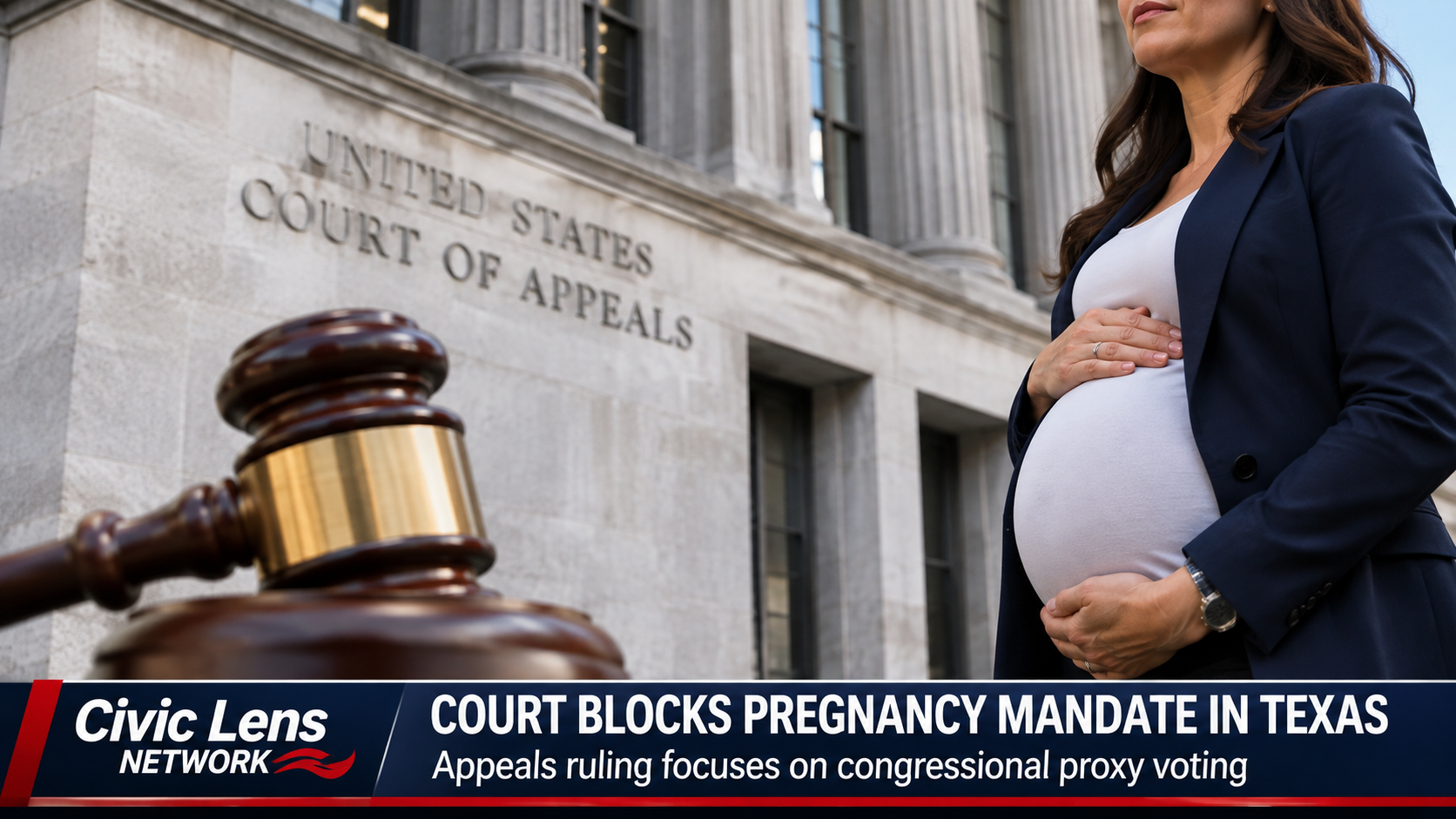
A major federal appeals court ruling has delivered a victory for constitutional limits on government power, blocking enforcement of a federal pregnancy accommodation mandate against the State of Texas and raising new questions about whether Washington should dictate how employers manage their workplaces.
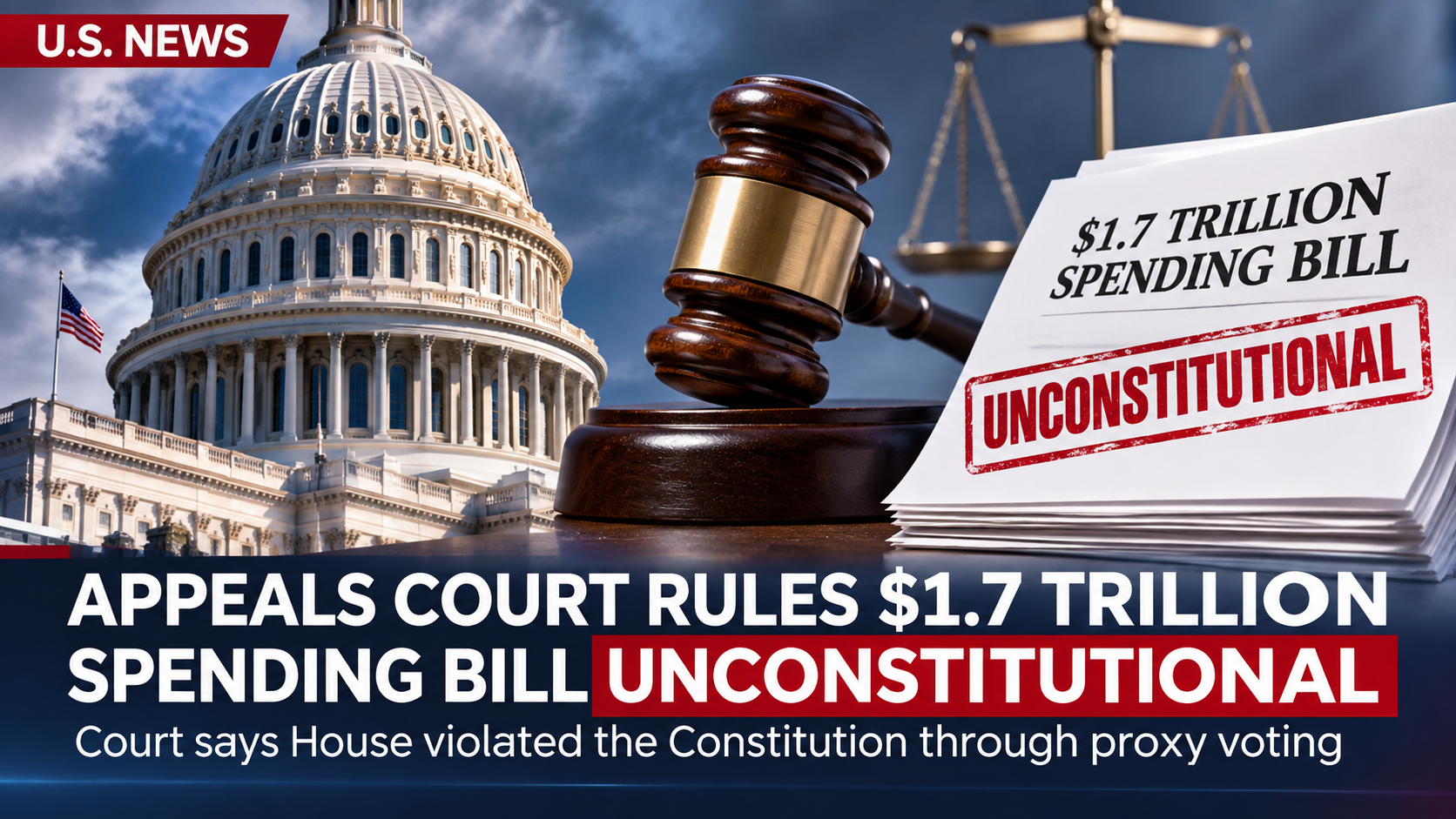
In a 9-8 decision issued November 20, the U.S. Court of Appeals for the Fifth Circuit ruled that the House of Representatives violated the Constitution when it used pandemic-era proxy voting to establish a quorum during the passage of a massive federal spending package in December 2022.
That package included the Pregnant Workers Fairness Act, a federal law requiring covered employers to provide reasonable accommodations for pregnancy-related limitations unless doing so would impose an undue hardship.
Although the ruling focused on congressional procedure rather than the merits of workplace accommodations, it also brings renewed attention to a broader policy debate: Should the federal government require employers to make special arrangements for employees because they are pregnant?
Employment Is a Responsibility, Not an Unlimited Entitlement
Critics of government-mandated workplace accommodations argue that employers should have the freedom to establish job requirements and determine whether employees can fulfill them.
Pregnancy is a personal circumstance, they contend, and it should not automatically create additional obligations for a business or government agency.
Under this view, an employee who cannot perform the essential duties of a position should have the option of taking available leave, seeking a different position, or resigning rather than expecting an employer to modify workplace arrangements.
That argument is particularly relevant to small businesses, where scheduling changes, modified duties, and additional staffing can create operational challenges.
Supporters of this approach maintain that employment should be based on the ability to perform a job and that government intervention should be limited.
The Pregnant Workers Fairness Act already contains an undue-hardship exception, meaning employers are not required to provide accommodations that would create significant difficulty or expense. Nevertheless, opponents question whether federal regulators should be involved in these decisions at all.
Congress Cannot Ignore the Constitution
The constitutional controversy began when the House approved a roughly $1.7 trillion spending package in December 2022.
During the vote, lawmakers were operating under special procedures adopted during the COVID-19 pandemic, allowing absent representatives to authorize colleagues to vote on their behalf.
Of the 431 votes recorded, 226 were cast through proxies.
The Fifth Circuit majority concluded that lawmakers who were not physically present could not be counted toward the constitutional quorum necessary to conduct legislative business.
Texas Attorney General Ken Paxton challenged the enforcement of the pregnancy accommodation law, arguing that legislation enacted through an unconstitutional process could not impose legal obligations on the state.
The court ultimately upheld an injunction preventing federal enforcement of the law against Texas as an employer.
The ruling does not repeal the Pregnant Workers Fairness Act nationwide, nor does it invalidate the entire spending package.
Who Should Decide Workplace Policies?
The dispute raises an important distinction between voluntary workplace flexibility and government-compelled accommodations.
An employer may choose to provide additional breaks, temporary adjustments, modified schedules, or other assistance to pregnant employees.
Businesses frequently make such arrangements to retain experienced workers and maintain positive employee relationships.
The disagreement concerns whether those decisions should be voluntary or mandated by federal law.
Critics of federal mandates argue that businesses, rather than Washington bureaucracies, are better positioned to understand their staffing needs, financial limitations, and operational responsibilities.
Supporters of the Pregnant Workers Fairness Act counter that reasonable accommodations allow employees to remain productive during pregnancy and prevent workers from being forced out of jobs over temporary limitations.
The law does not generally require employers to eliminate essential job functions permanently or accept accommodations that impose undue hardship.
A Larger Battle Over Federal Authority
Eight judges dissented from the Fifth Circuit’s decision, arguing that the majority improperly restricted Congress’s authority to establish its own voting procedures.
The divided ruling could eventually reach the Supreme Court, where the constitutional requirements for congressional quorums may receive further examination.
For critics of expanding federal workplace regulation, the case illustrates two separate concerns: Congress must obey constitutional requirements when passing legislation, and federal lawmakers should carefully consider whether every workplace issue requires a nationwide mandate.
The Fifth Circuit resolved the first question in Texas’s favor. It did not decide that pregnancy accommodations are inherently unreasonable or that employers should be free to disregard all existing pregnancy-related employment protections.
For now, the ruling represents a significant legal setback for enforcement of the federal accommodation mandate against Texas and a reminder that even legislation passed with popular support must comply with the Constitution.
The larger policy question remains unresolved: How much authority should the federal government have to require employers to accommodate personal circumstances, and where should the responsibility of employers end and that of employees begin?