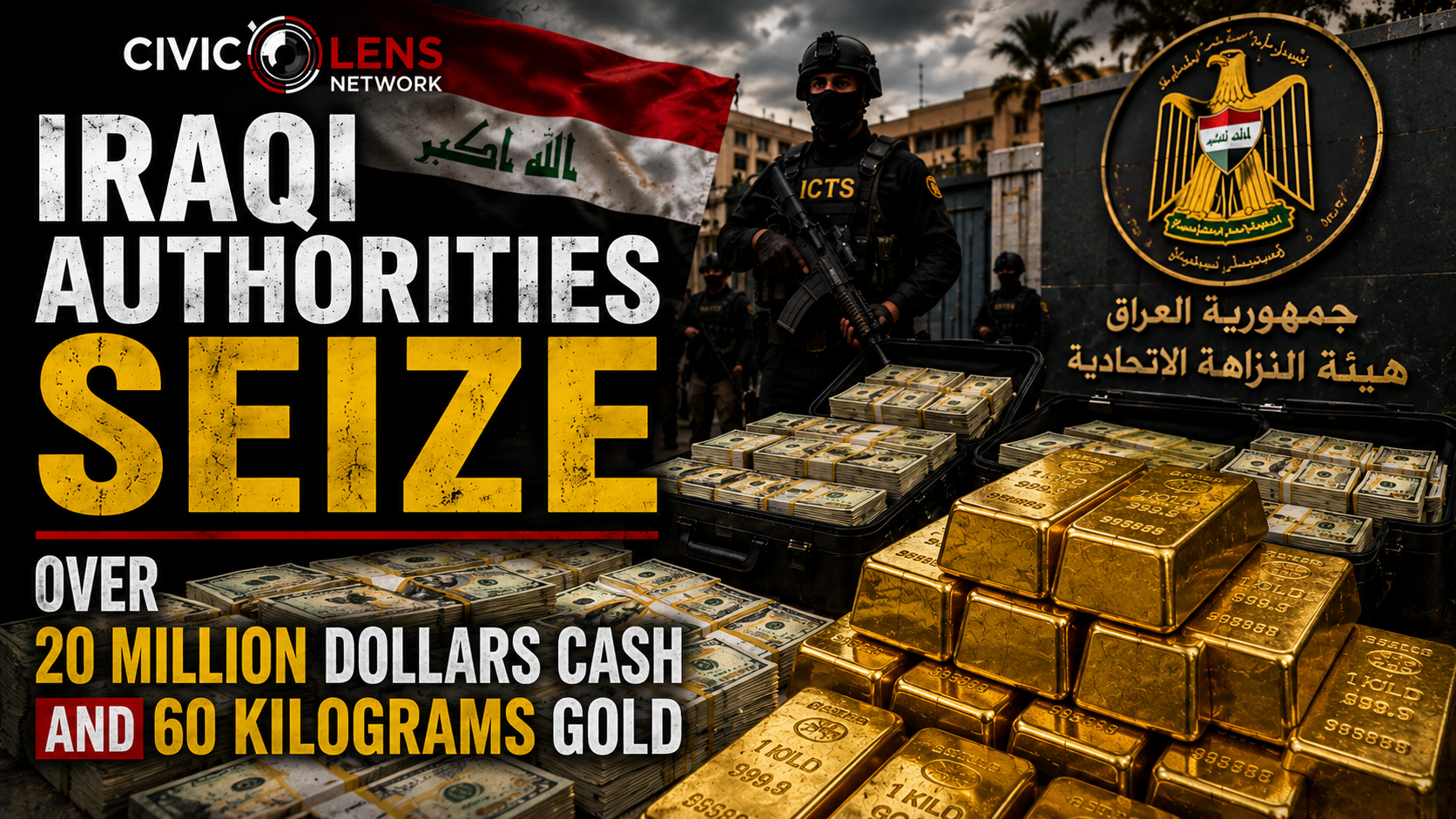
Iraqi judicial authorities announced the recovery of more than 20 million dollars in cash along with 60 kilograms of gold and seven vehicles as part of a widening probe into alleged corruption within the oil sector. The seizure involves assets linked to Adnan Al Jumaili the detained deputy oil minister for refining affairs who previously directed the Northern Refineries Company. Investigating Judge Diaa Jaafar of the Central Anti-Corruption Criminal Court confirmed the recovery took place through coordination with authorities in the Kurdistan Region.
The latest haul includes precisely 20.34 million dollars 200 million Iraqi dinars the gold and the vehicles. Officials stated these proceeds stemmed from financial waste in projects connected to Al Jumaili and associated parties. Al Jumaili was arrested in late May 2026 in the al Ishaqi area of Saladin province. Charges centered on the alleged misuse of public funds at the Baiji Refinery.
He was removed from his director general post shortly afterward. His detention marked a significant moment in the broader anti corruption campaign launched by Prime Minister Ali Al Zaidi. Known as the Dawn Crackdown the effort has resulted in the arrest of more than 200 officials lawmakers and businessmen. Confessions obtained during questioning of Al Jumaili expanded the inquiry leading to further detentions and the tracing of hidden assets across multiple locations.
Previous recoveries in the same case have been substantial. Investigators earlier located cash hidden inside walls buried underground and even inside plastic water bottles. One earlier operation uncovered funds requiring heavy machinery for excavation. Total cash recovered in the Al Jumaili investigation has exceeded 100 million dollars according to judicial statements.
Gold seizures have reached hundreds of kilograms including a single day recovery of 375 kilograms in July. Properties commercial businesses flour mills cargo trucks and additional vehicles have also been confiscated. Some high value assets were registered under the names of low level employees to conceal ownership. The oil sector holds critical importance for Iraq as petroleum revenues form the backbone of the national budget.
Allegations of waste and embezzlement in refining projects have long drawn public frustration. The Baiji facility and related operations represent major infrastructure investments meant to strengthen domestic refining capacity and reduce import dependence. Officials assert that irregularities in contracts and project implementation diverted resources intended for public benefit. The current probe aims to reclaim those resources and hold responsible parties accountable through the courts.
Coordination between federal authorities and the Kurdistan Region has proven essential in tracking assets that may have moved between regions. Judge Jaafar emphasized that follow up investigative procedures continue with the goal of identifying additional suspects and completing legal processes. The Ministry of Oil has not issued public comment on the latest seizures. Al Jumaili remains in custody pending trial.
Images of stacked currency and gold released by the Supreme Judicial Council have circulated widely generating discussion among citizens about the scale of recovered wealth. Prime Minister Al Zaidi has presented the anti corruption drive as central to restoring public trust and securing state finances. The campaign began shortly after his appointment and has targeted figures across government and business circles. Earlier raids in Baghdad’s Green Zone produced dramatic scenes of cash and gold discoveries from properties linked to various lawmakers and officials.
Those operations further fueled public attention and expectations for sustained accountability. Judicial officials stress that investigations remain ongoing and that asset recovery forms only one component of the larger effort. The seizure of cash gold and vehicles tied to the oil ministry case underscores the depth of scrutiny now applied to senior energy officials. Refining affairs involve complex contracts procurement processes and infrastructure development that historically offered opportunities for misuse.
By pursuing both individuals and the financial trails they leave investigators seek to deter future misconduct and return value to the state. Hundreds of kilograms of gold previously handed to the Central Bank of Iraq illustrate the tangible results of these efforts. Continued cooperation across regions and institutions will determine how completely the network of alleged waste can be dismantled. Public reaction has mixed hope with caution.
Many Iraqis have expressed relief at visible recoveries after years of complaints about systemic graft. Others await full trials and transparent accounting of how reclaimed funds will support public services or infrastructure. The government frames the campaign as a practical step toward economic stability especially ahead of important security and fiscal deadlines. Oil remains Iraq’s primary economic engine and integrity in its management carries direct consequences for national development and citizen welfare.
As the probe widens further announcements of seizures or arrests may emerge. Judicial statements indicate that statements from key figures continue to open new lines of inquiry into government contracts. The recovery of 20.34 million dollars 60 kilograms of gold and related assets represents the most recent chapter rather than a conclusion. Authorities maintain that pursuit of remaining involved parties will proceed according to legal requirements.
This case and the broader Dawn Crackdown together signal a determined phase in Iraq’s long running struggle against corruption in its most vital industry.