On the evening of June 24 2026 two powerful earthquakes struck northern Venezuela in rapid succession. A magnitude 7.2 tremor hit first and only 39 seconds later a magnitude 7.5 shock followed along the same fault system. The energy concentrated on the coastal state of La Guaira and nearby sections of the capital Caracas. Residents felt the ground roll beneath them while buildings swayed violently before many gave way in clouds of concrete dust and twisted steel.
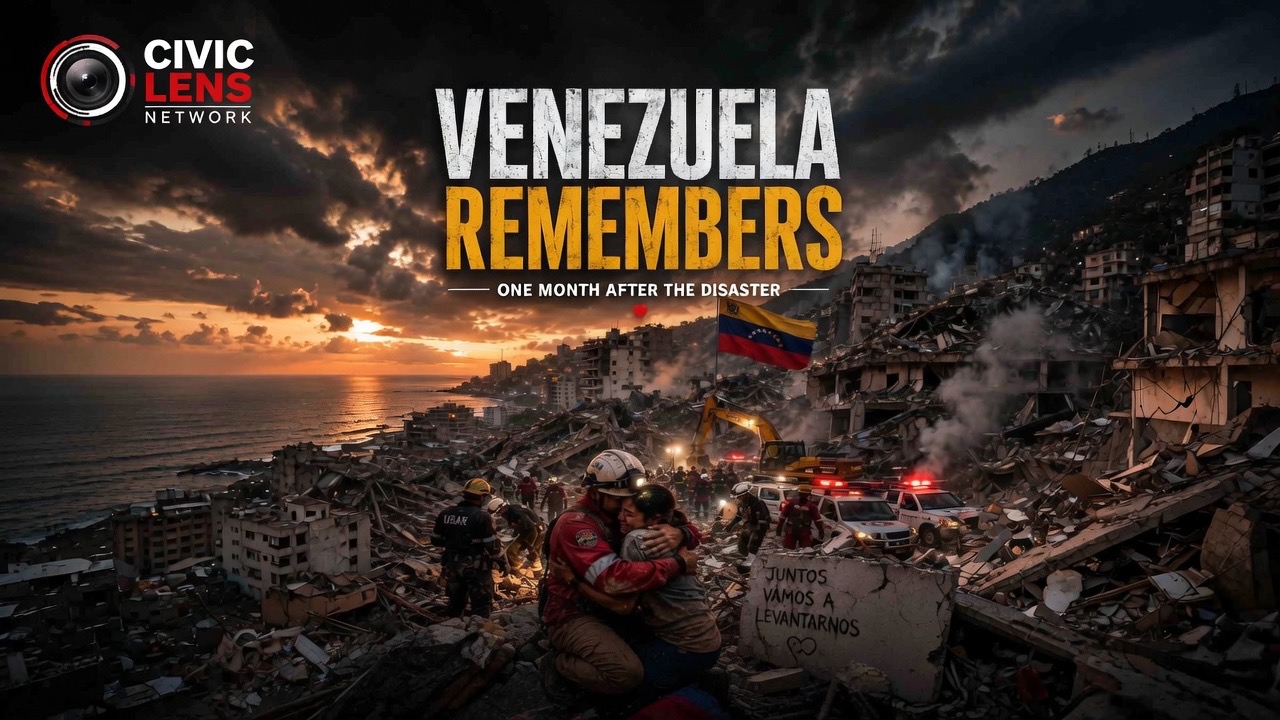
The hardest hit zones stretched through Catia La Mar Caraballeda and other towns north of Caracas. Multi story apartment blocks that had stood for decades crumbled into chaotic piles of debris. Roads split open power lines snapped and water systems failed across wide areas. In the first desperate hours survivors and neighbors clawed at the rubble with their bare hands listening for any sound of life beneath the wreckage.
Local emergency crews reached the scene quickly yet the sheer scale of the destruction far exceeded the equipment and personnel available at the time. Confirmed numbers climbed steadily through the following days and weeks. Early counts listed several hundred lives lost. By the end of the first week the total had passed 1400.
As recovery teams cleared more sites the official figure continued to rise. By late July authorities reported more than 5300 people killed. Thousands more remained unaccounted for and United Nations estimates placed the number of missing near 50000. Injury figures climbed above 16000 while more than 17000 people found themselves without homes.
Temporary shelters and camps appeared across the region offering basic refuge to families who had lost everything in a matter of minutes. Search and rescue teams from multiple countries arrived within days bringing specialized dogs heavy machinery and trained personnel. They worked through aftershocks and difficult conditions hoping to reach survivors during the critical early window.
Some people were pulled alive from the debris yet as days turned into weeks the mission shifted from active rescue to the slower process of recovery and identification of remains. Gravediggers in La Guaira prepared long rows of plots for the unidentified while many families continued private searches long after official efforts began to wind down. The economic cost proved severe. United Nations assessments put direct damage near 6.7 billion dollars.
Hospitals struggled under the sudden volume of patients. Schools closed and countless businesses sat in ruins. Roughly seven million people faced some level of disruption ranging from lost utilities to destroyed livelihoods. Among the dead were foreign nationals from Portugal Spain China Brazil and other countries adding an international layer to the collective grief.
In the weeks that followed Venezuelan officials coordinated the distribution of aid and began early reconstruction planning. Volunteers and state workers formed a large recovery force that cleared debris distributed food and medical supplies and supported the displaced. Many families still wait for definitive answers about missing relatives. These twin shocks rank among the strongest to strike the country in more than a century and stand as one of the deadliest natural disasters in modern Venezuelan history.
Communities now face the long process of rebuilding homes infrastructure and daily life. Memorial gatherings mark the losses while work continues to restore basic services and strengthen building standards for the future. The ground has quieted yet the memory of those sudden moments in June remains vivid for everyone who lived through them.